

 Image 1 of 1
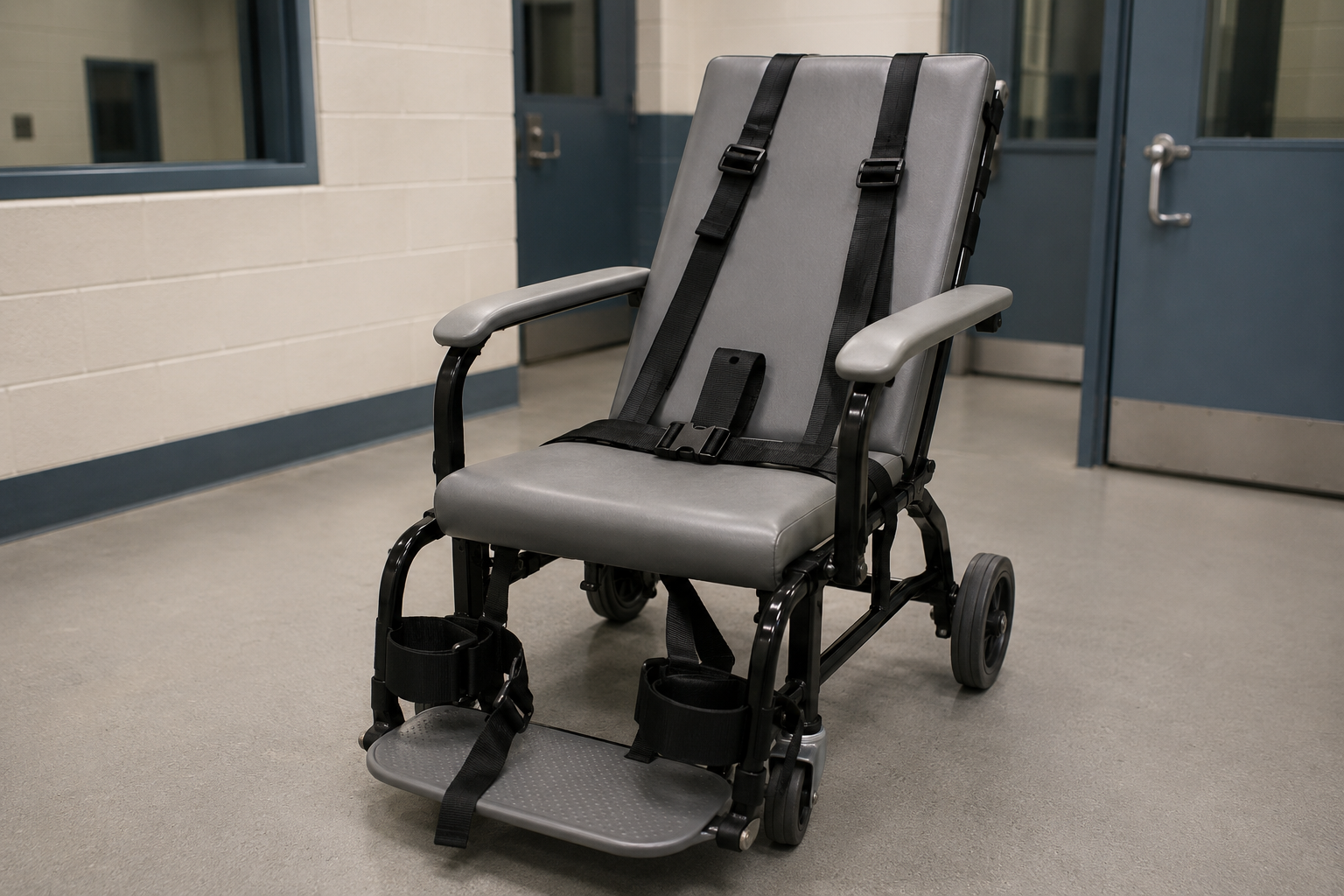
Restraint chairs remain one of the most effective — and most scrutinized — tools available to jail staff managing high-risk detainees. When used appropriately, they can help prevent injury, restore order, and protect detainees and staff. When used improperly, they can create serious medical risks, civil liability, adverse publicity, and operational consequences for the agency.
This one-hour Shield Thursday program examines restraint-chair use through the lens of correctional operations, medical risk, supervision, documentation, and liability reduction. The program will focus on the critical questions that arise before, during, and after restraint-chair placement: why the chair was used, whether the restraint remained necessary, how the detainee was monitored, and whether the event was properly documented.
When restraint-chair placement may be appropriate in a jail setting.
How to distinguish legitimate safety uses from convenience, punishment, or overuse.
Key medical risks associated with restraint-chair use.
Monitoring practices and warning signs requiring immediate intervention.
Supervisor responsibilities before, during, and after placement.
Documentation practices that reduce litigation and administrative risk.
Policy considerations for safer and more defensible restraint-chair use.
This program is designed for sheriffs, jail administrators, command staff, correctional supervisors, correctional officers, medical and mental health personnel, risk managers, county counsel, and agency attorneys responsible for jail operations, custody safety, policy development, and liability reduction.
Restraint chairs remain one of the most effective — and most scrutinized — tools available to jail staff managing high-risk detainees. When used appropriately, they can help prevent injury, restore order, and protect detainees and staff. When used improperly, they can create serious medical risks, civil liability, adverse publicity, and operational consequences for the agency.
This one-hour Shield Thursday program examines restraint-chair use through the lens of correctional operations, medical risk, supervision, documentation, and liability reduction. The program will focus on the critical questions that arise before, during, and after restraint-chair placement: why the chair was used, whether the restraint remained necessary, how the detainee was monitored, and whether the event was properly documented.
When restraint-chair placement may be appropriate in a jail setting.
How to distinguish legitimate safety uses from convenience, punishment, or overuse.
Key medical risks associated with restraint-chair use.
Monitoring practices and warning signs requiring immediate intervention.
Supervisor responsibilities before, during, and after placement.
Documentation practices that reduce litigation and administrative risk.
Policy considerations for safer and more defensible restraint-chair use.
This program is designed for sheriffs, jail administrators, command staff, correctional supervisors, correctional officers, medical and mental health personnel, risk managers, county counsel, and agency attorneys responsible for jail operations, custody safety, policy development, and liability reduction.